
Temporal trends of antimicrobial resistance and resistance genes in Mannheimia haemolytica from cattle in Japan
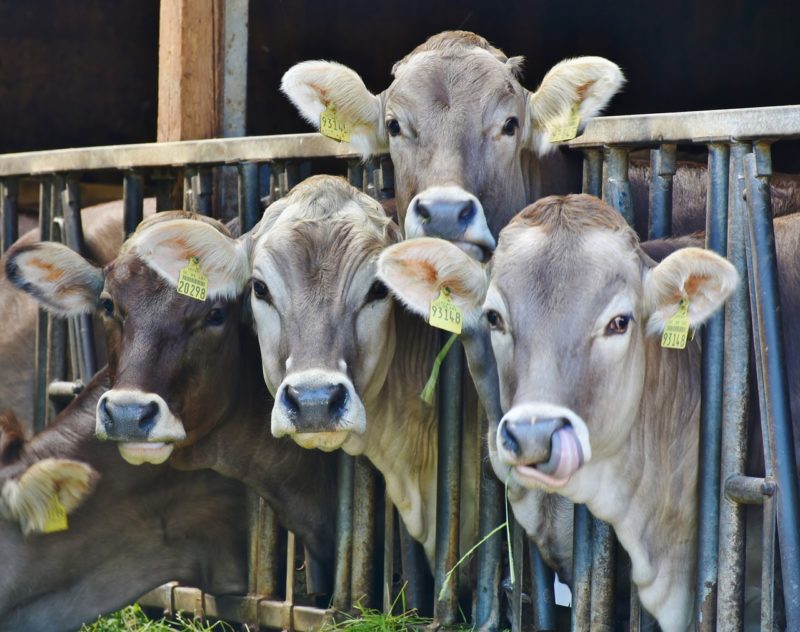
This study shows that antimicrobial resistance in Mannheimia haemolytica, a key cause of bovine respiratory disease, has increased in Japan between 2004 and 2018. Among 337 cattle isolates, resistance was found to multiple commonly used first-line antibiotics, with particularly high rates for several widely applied treatments. Resistance was linked to specific genes, many of which were associated with integrative and conjugative elements (ICEs), indicating that horizontal gene transfer plays a major role in spreading AMR. Notably, serotypes A2 and especially A6 showed a marked rise in resistance over time, with A6 strains frequently carrying multiple ICE-associated genes. Overall, the findings highlight a growing AMR problem driven by gene acquisition, underscoring the need for improved surveillance and targeted strategies to manage resistance in cattle.
OUR UNDERWRITERS
Unrestricted financial support by:
 |
Antimicrobial Resistance Fighter Coalition |
 |
INTERNATIONAL FEDERATION PHARMACEUTICAL MANUFACTURERS & ASSOCIATIONS |
 |
BD |
AMR NEWS
Your Biweekly Source for Global AMR Insights!
Stay informed with the essential newsletter that brings together all the latest One Health news on antimicrobial resistance. Delivered straight to your inbox every two weeks, AMR NEWS provides a curated selection of international insights, key publications, and the latest updates in the fight against AMR.
Don’t miss out on staying ahead in the global AMR movement—subscribe now!


